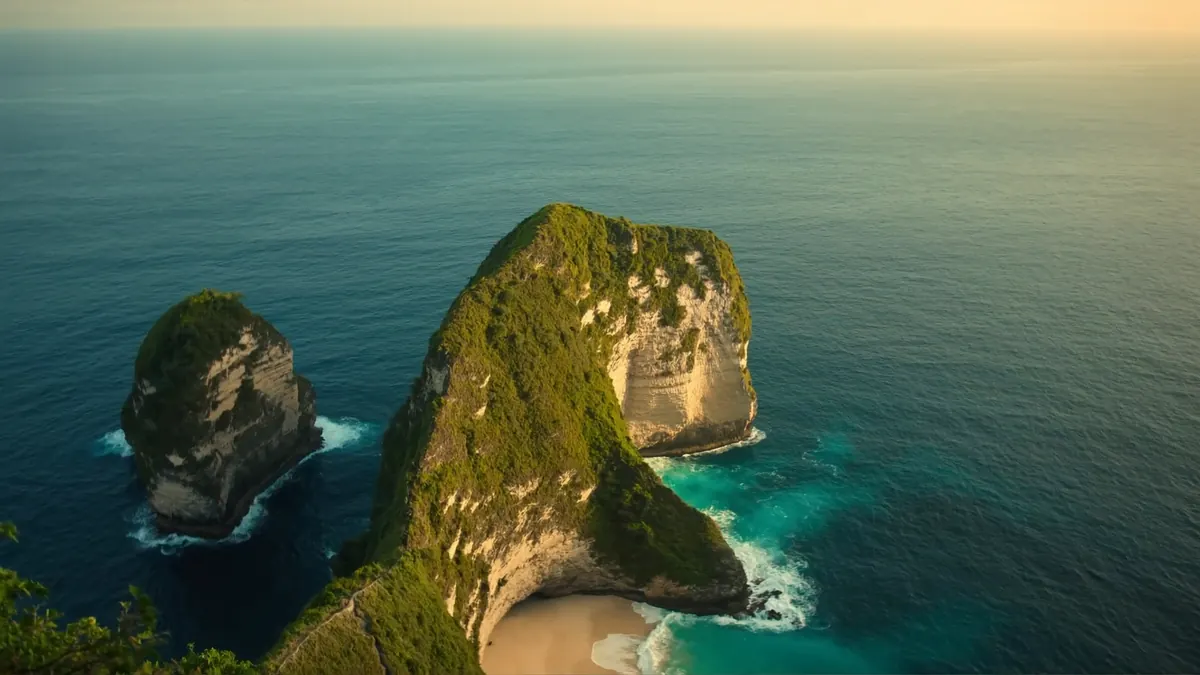
Pecatu, Bukit peninsula (south)
Uluwatu Temple & the sunset Kecak
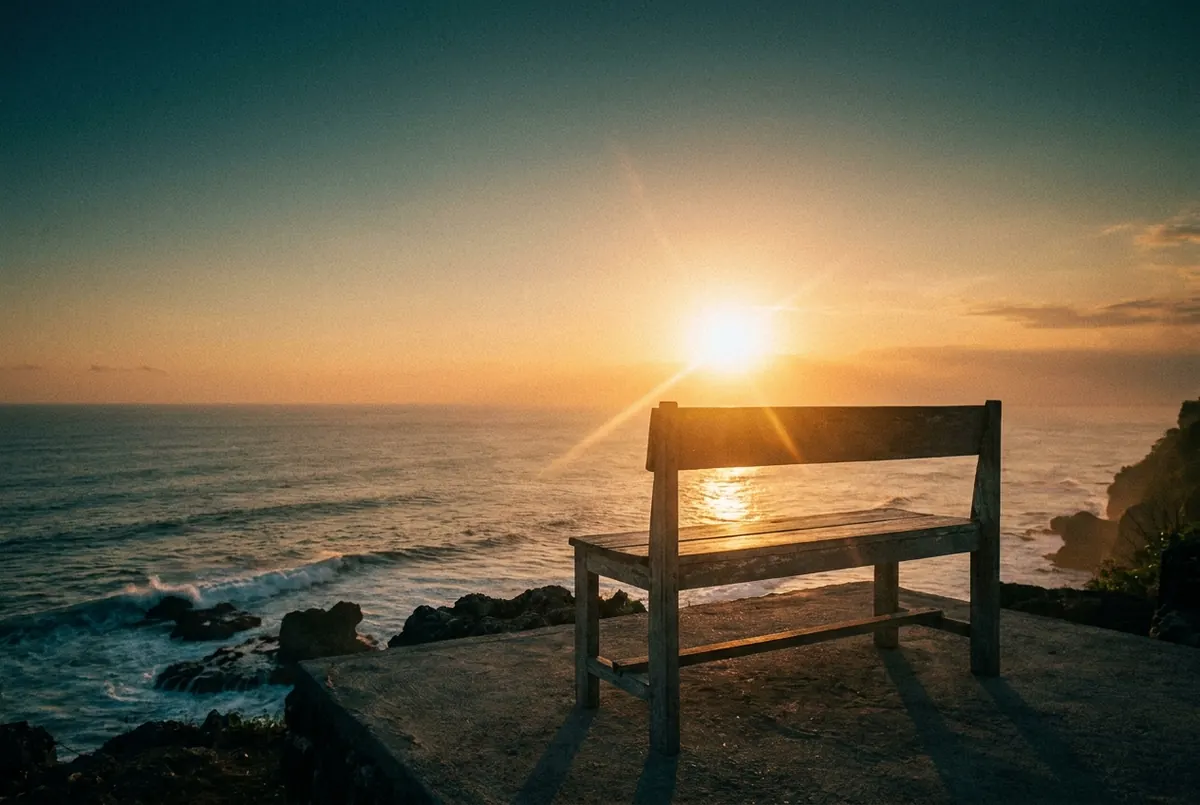
A clifftop sea temple perched ~70m above the ocean, with a daily sunset Kecak fire dance in the open-air amphitheatre next door.
Bali's sights are spread across the island, so the smart move is to plan around your base rather than chase everything. Here are the icons worth building a day around — temples, a volcano sunrise, waterfalls and the Nusa Penida cliffs — and then what to do in each area you might stay in.
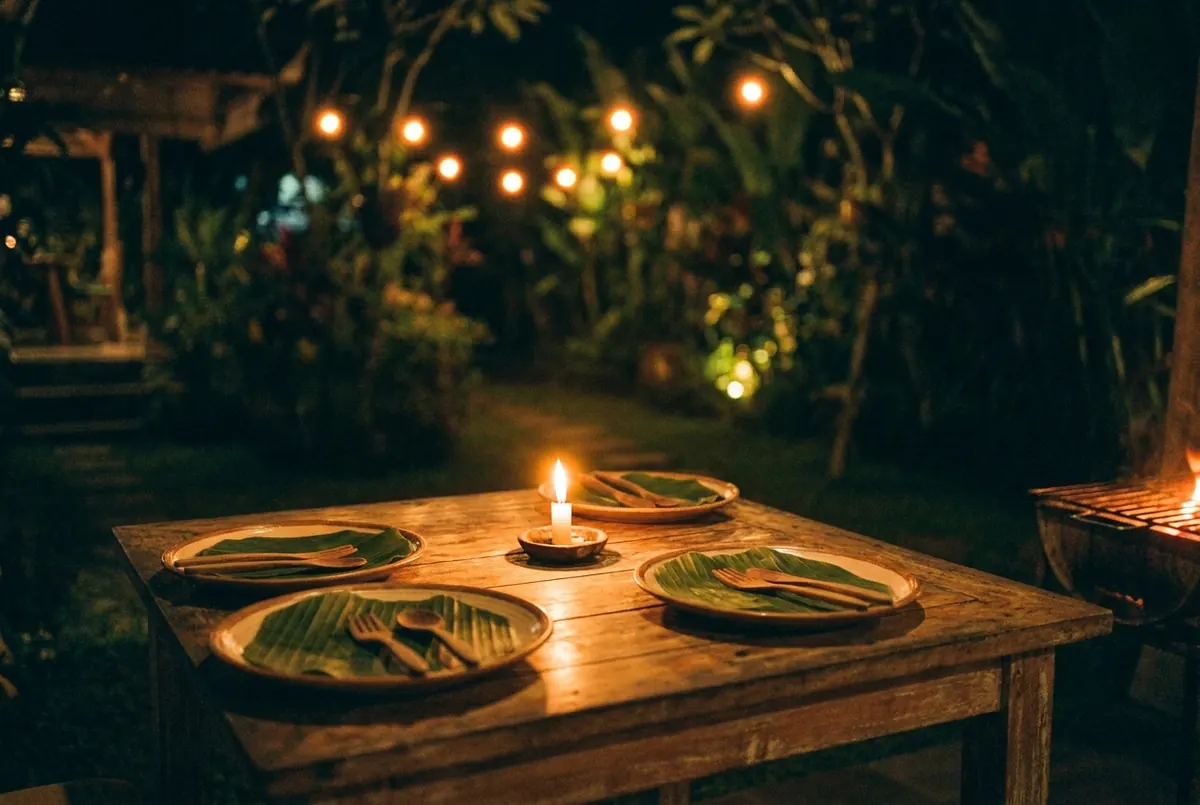
Choose visually first
Temples, nature and culture sit in different parts of Bali. Start with the day shape, then open the detailed sights only if that direction fits your base.
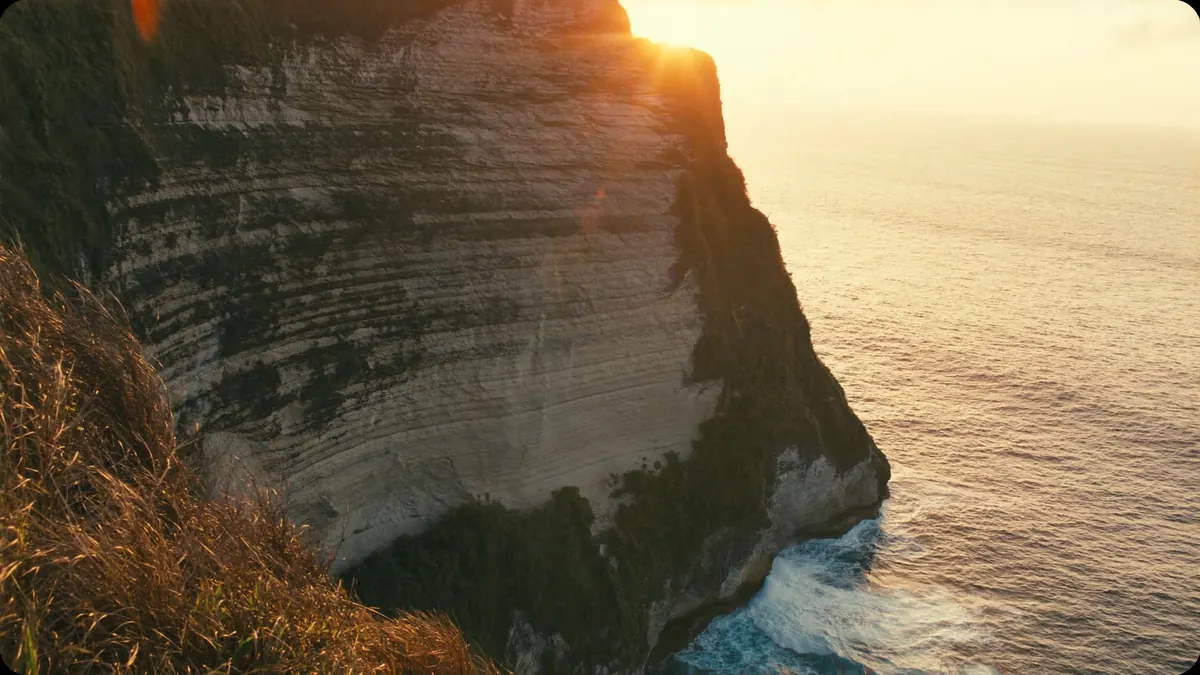
Sea temples, lake temples and holy springs — bring a sarong; most provide one.
Choose a temple day →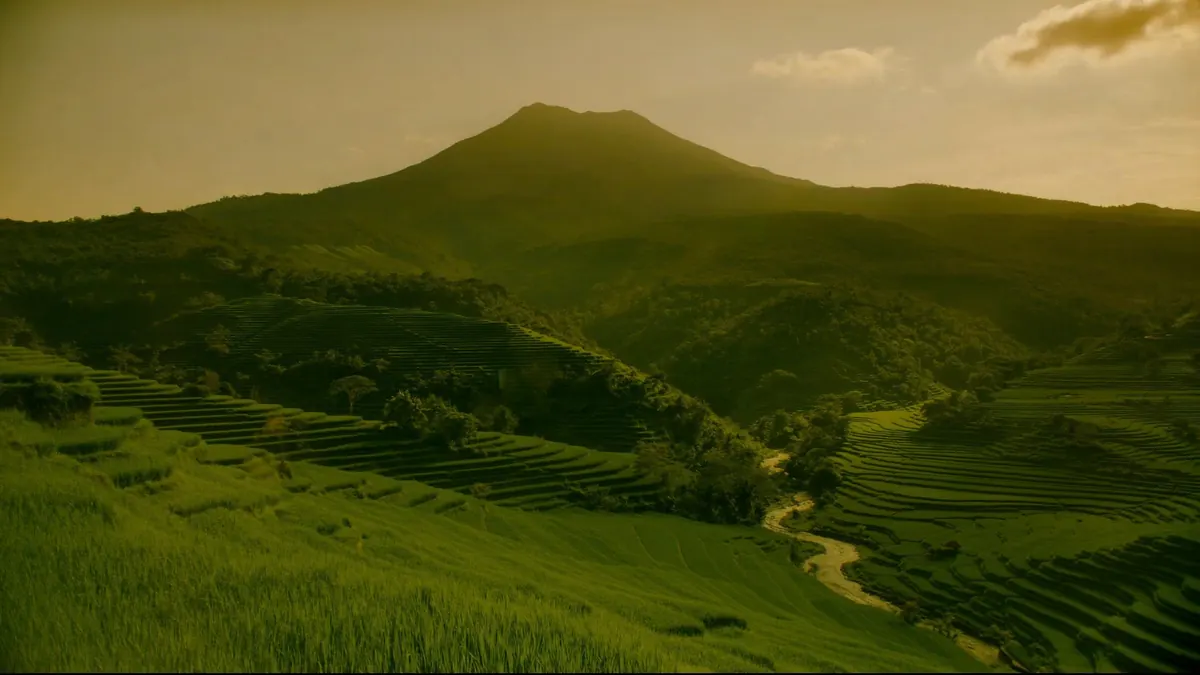
Volcano sunrises, rice terraces, waterfalls and the Nusa Penida cliffs.
Choose a nature day →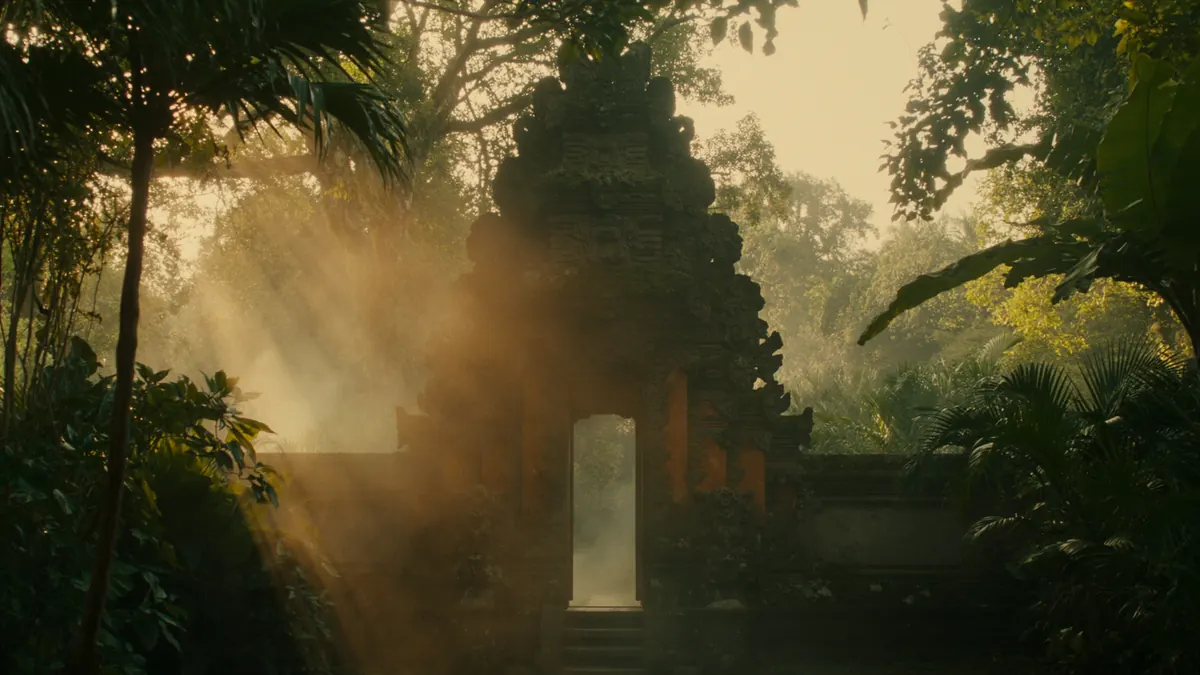
Evening dance and coffee agrotourism — easy to slot into any base.
Choose a culture evening →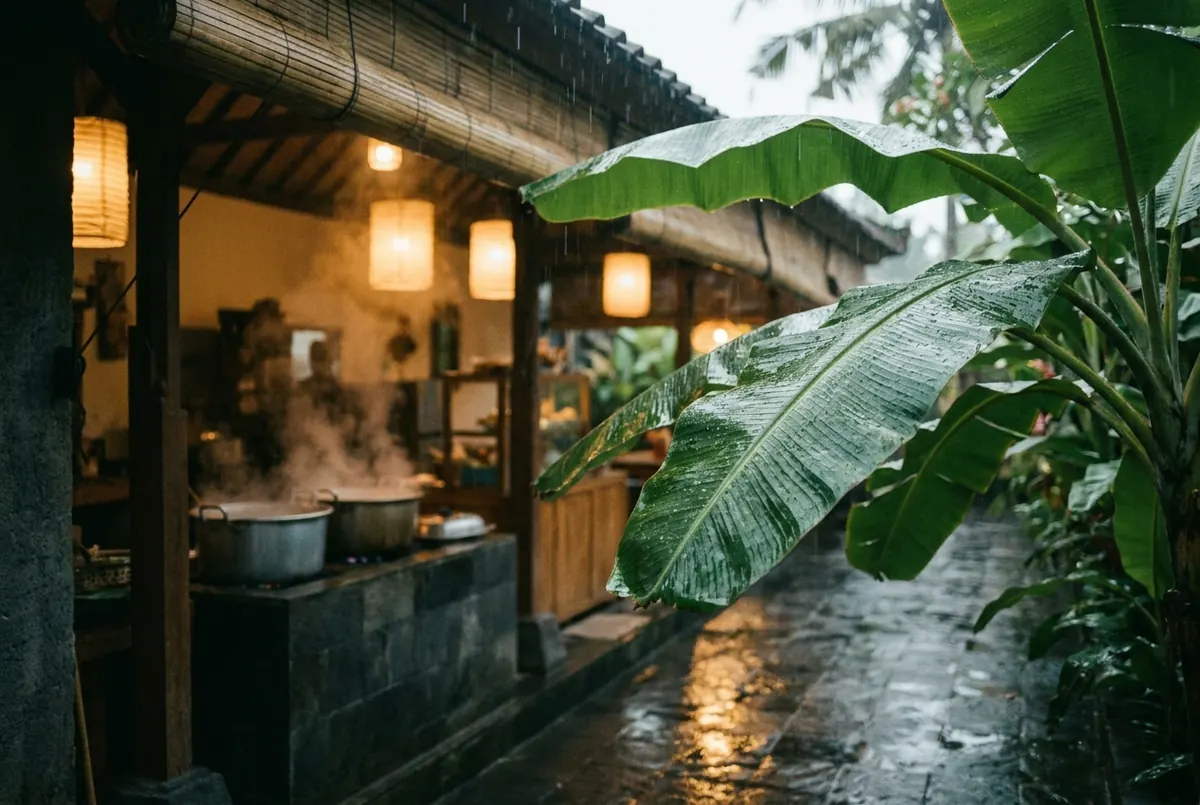
Sea temples, lake temples and holy springs — bring a sarong; most provide one.
Pecatu, Bukit peninsula (south)
A clifftop sea temple perched ~70m above the ocean, with a daily sunset Kecak fire dance in the open-air amphitheatre next door.
Beraban, Tabanan (west coast)
Bali's most photographed sea temple, set on an offshore rock and framed by the sunset.
Bedugul highlands, Tabanan
The lake temple whose shrines appear to float on Lake Beratan when the water is high — the scene on the 50,000-rupiah note.
Tampaksiring, ~40 min north of Ubud
A temple built around a sacred spring where Balinese Hindus — and visitors — perform melukat, a purification ritual moving spout to spout through the bathing pool.
Rendang, Karangasem (Mount Agung, east)
Bali's largest and holiest temple complex, on the slopes of Mount Agung.
Abang, Karangasem (east)
An active clifftop temple famous for the split-gate photo with the mountain behind.
Volcano sunrises, rice terraces, waterfalls and the Nusa Penida cliffs.
Kintamani, Bangli (central highlands)
The classic pre-dawn hike up an active volcano (1,717m) to watch sunrise over the caldera and Lake Batur — about two hours up, starting around 3.30–4am.
~20 min north of Ubud
A steep, sculpted valley of terraced paddies watered by Bali's traditional subak cooperative irrigation, with paid jungle swings on site.
Around Ubud & the north
Tegenungan (near Ubud) is the easy one — big falls, steps down, minimal effort.
Island off the south-east, fast boat from Sanur
A 30–45 minute fast boat from Sanur reaches the island of Kelingking's T-Rex cliff, Broken Beach, Angel's Billabong (only safe at low tide — never swim on a rising tide) and Crystal Bay.
Pancasari, Bedugul (north)
A free-standing Balinese split gate framing forested crater hills — a pure photo stop rather than a temple, at the entrance to the Handara golf resort.
Karangasem (east Bali)
A quiet rural valley of rice terraces, rivers and weaving villages under Mount Agung — the slower, less-developed alternative to Ubud.
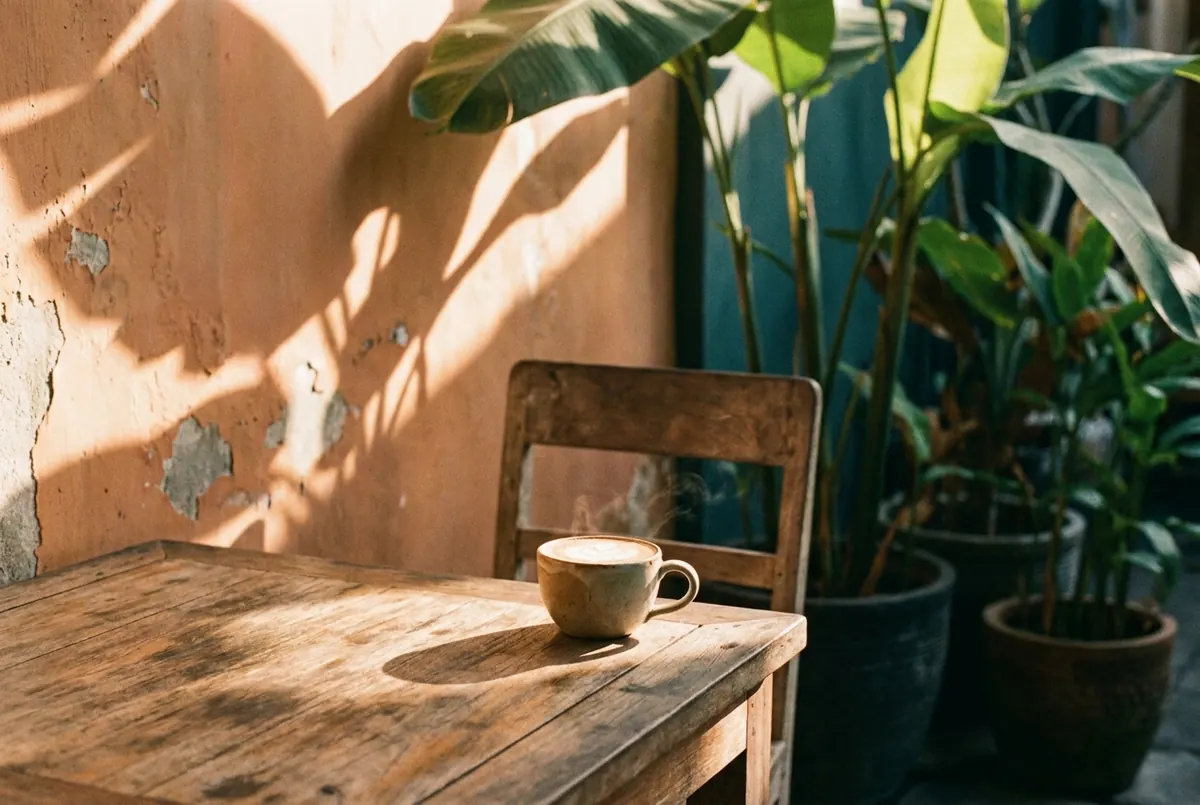
Evening dance and coffee agrotourism — easy to slot into any base.
Ubud, Uluwatu & Nusa Dua
Kecak, Legong and Barong are a standard evening out: Ubud Palace stages a different nightly dance around 7.30pm, Uluwatu runs the sunset Kecak, and GWK includes daytime dances and an evening Kecak.
Ubud & Kintamani belt
A common half-day: a plantation tour with free tastings of Balinese coffees and teas, with kopi luwak (civet coffee) sold as the premium pour.
Wherever you base, there's a day or two of things to do on the doorstep. Pick your area:
Rice terraces, the ridge walk, temples and the Monkey Forest.
Open area →Clifftop temples, the sunset Kecak and world-class surf.
Open area →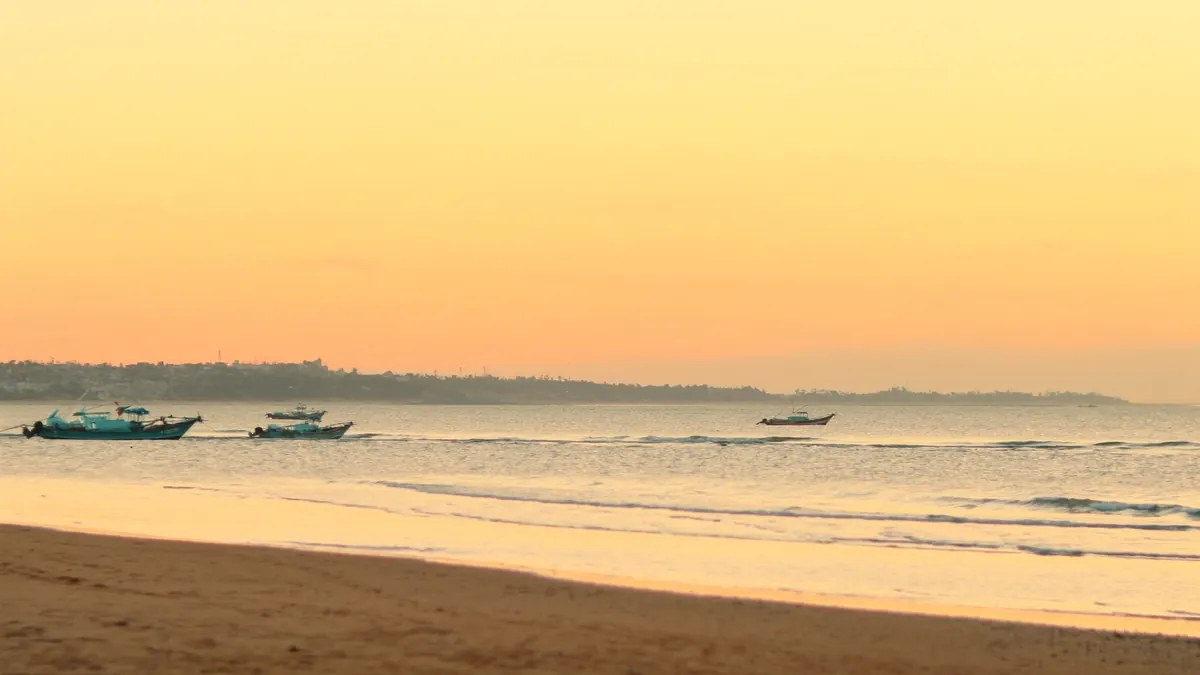
The fish market, Tegal Wangi tide pools and GWK.
Open area →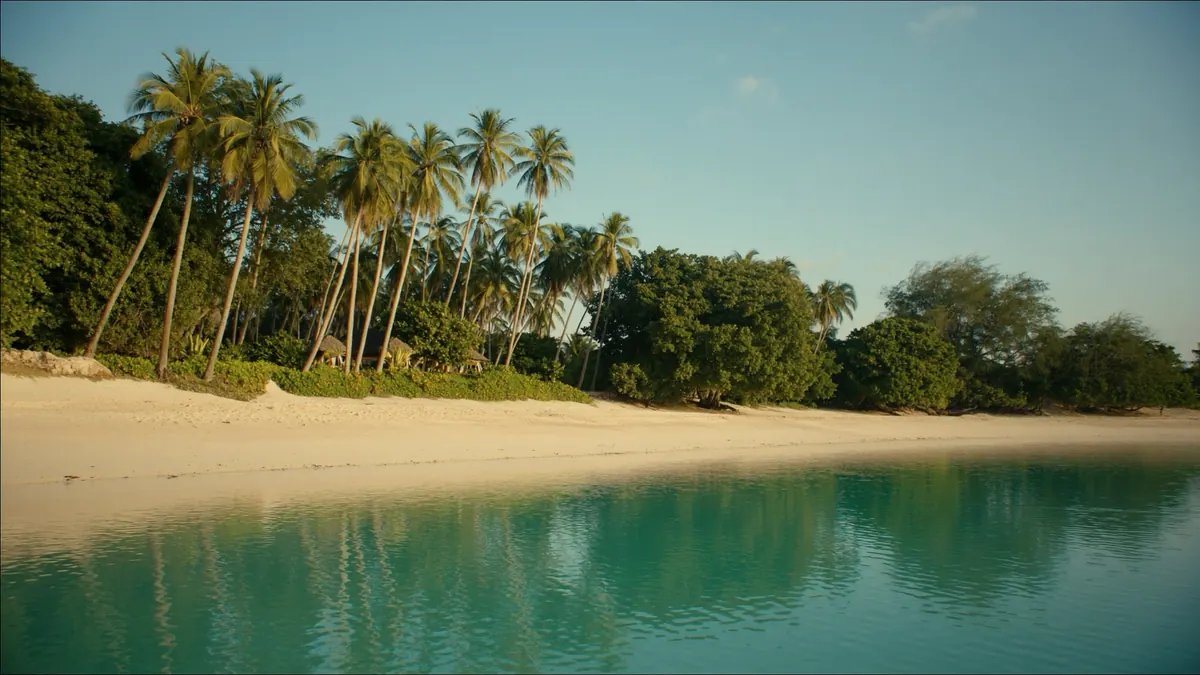
The promenade, Water Blow and Tanjung Benoa watersports.
Open area →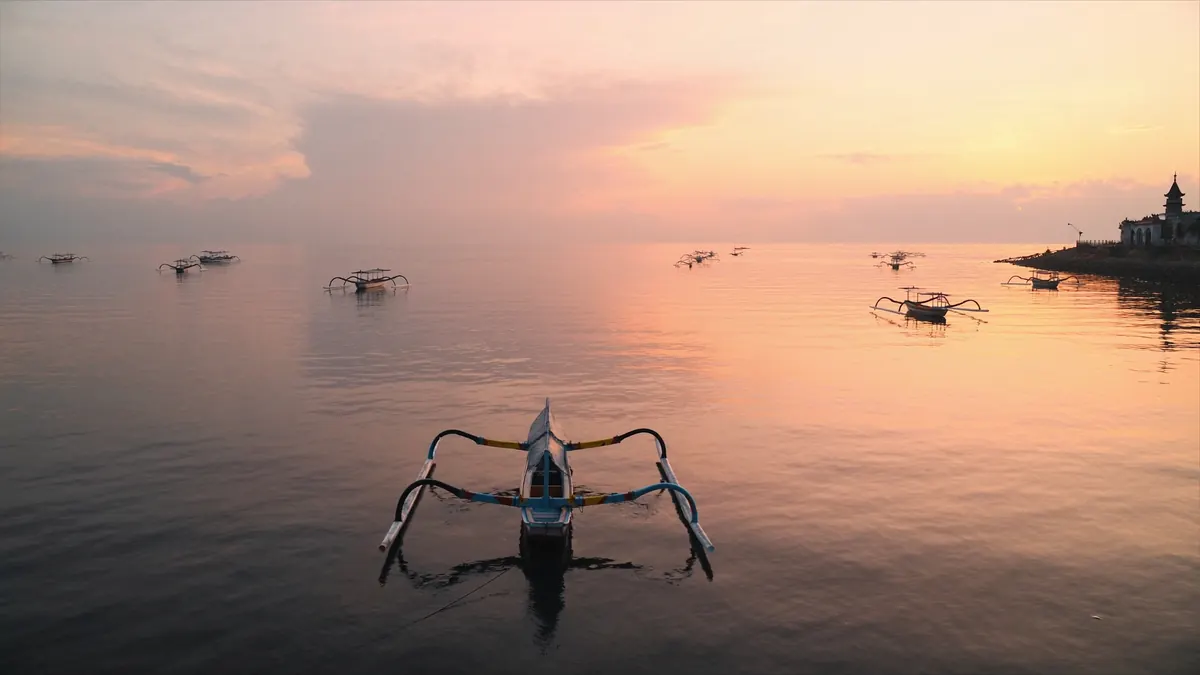
Sunrise walks, the beach path and the Nusa fast boats.
Open area →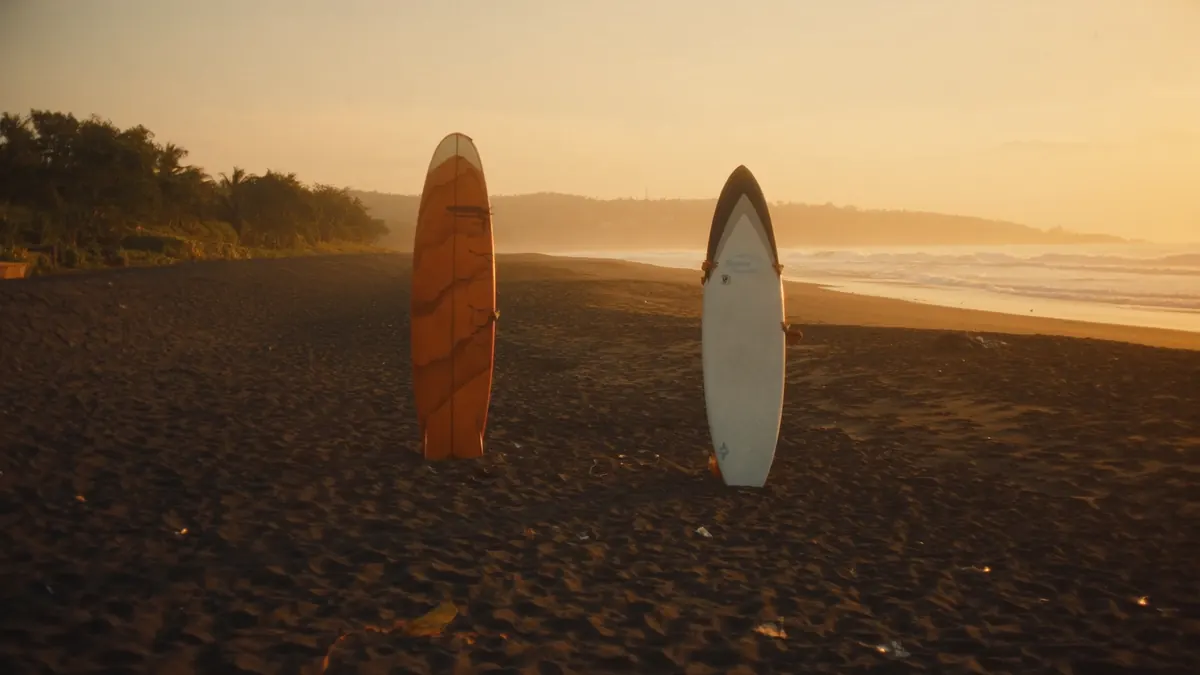
Surf, café mornings, beach clubs and sunset.
Open area →The island icons are Uluwatu Temple and its sunset Kecak, Tanah Lot, the Tegallalang rice terraces, a Mount Batur sunrise trek, a waterfall like Tegenungan or Sekumpul, and a Nusa Penida day trip. Beyond those, each area has its own things to do — Ubud for culture and rice fields, the Bukit for cliffs and surf, Sanur and Nusa Dua for calm beaches.
Bali's icons are spread across the island, so plan around your base rather than trying to see everything. A week lets you pair one inland stay (Ubud, for temples, terraces and Batur) with one by the sea, and still fit a Nusa Penida day. See our how-many-days and itinerary guides.
Most temples and sights charge a small cash entry fee in rupiah, and some — Besakih, Mount Batur and Sekumpul waterfall — now require a paid local guide. Bali also charges a one-time foreign-tourist levy you can pay online via the official Love Bali site; check current amounts before you go, as fees change.
A sarong and a covered top with shoulders covered. Most temples provide a sarong (and sash) free or for a small rental at the entrance, but carrying your own is easier. Purification sites like Tirta Empul have a separate wet sarong if you bathe.
The temple (Lempuyang) is real and active, but the mirror-lake 'reflection' is created with a small mirror held under a phone camera — there's no pool. Expect a long managed queue for the photo, so arrive at opening.