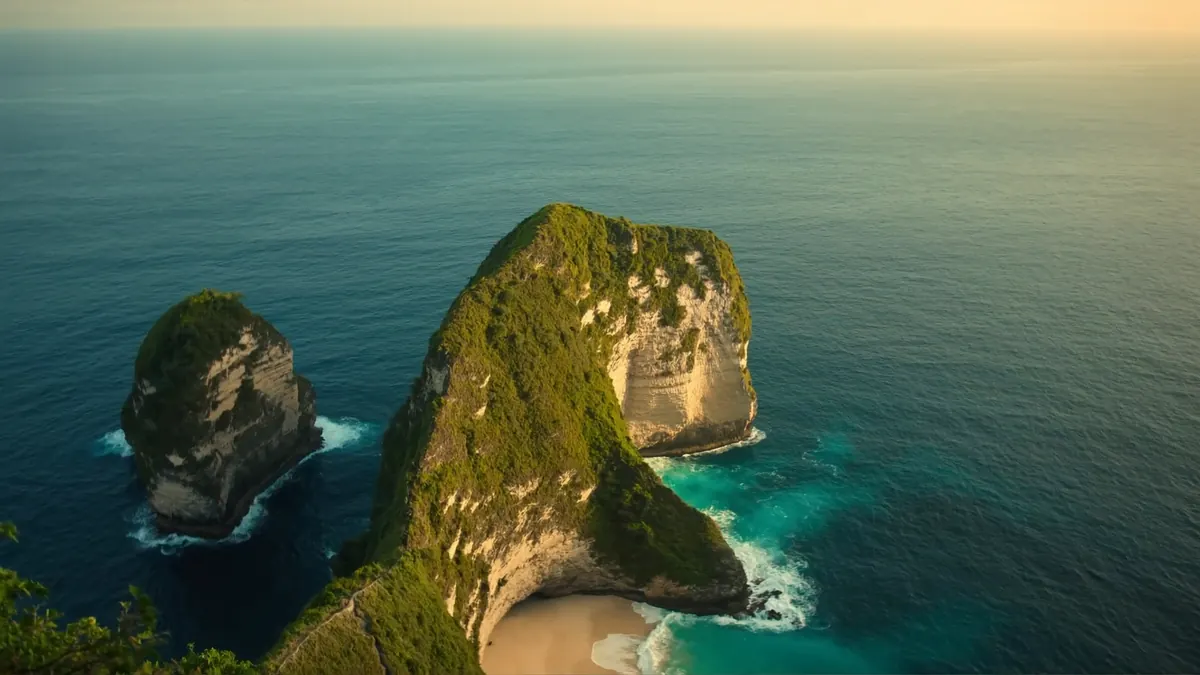
Nusa Penida · Off the south-east coast
Nusa Penida, the island of cliffs and mantas
A rugged island a 30–45 minute fast boat off Bali's south-east coast, and the source of its most-photographed view: the Kelingking “T-Rex” cliff. It's big-landscape, adventure Bali — dramatic coves, clifftop stairways and year-round manta rays over comfort and polish. This guide covers who it suits, the two loops (west and east), the headline sights and the water-safety that genuinely matters here, curated from verified research — not sponsored.
Editorial review: 2026-07-16 · researched, not sponsored · no paid ranking
Choose the shape of the day
Start with the Nusa Penida you need
These area-mood scenes are illustrative, not photos of named viewpoints, beaches, coves or operators. Use them to choose the route; verify access, weather, sea state and safety before committing.
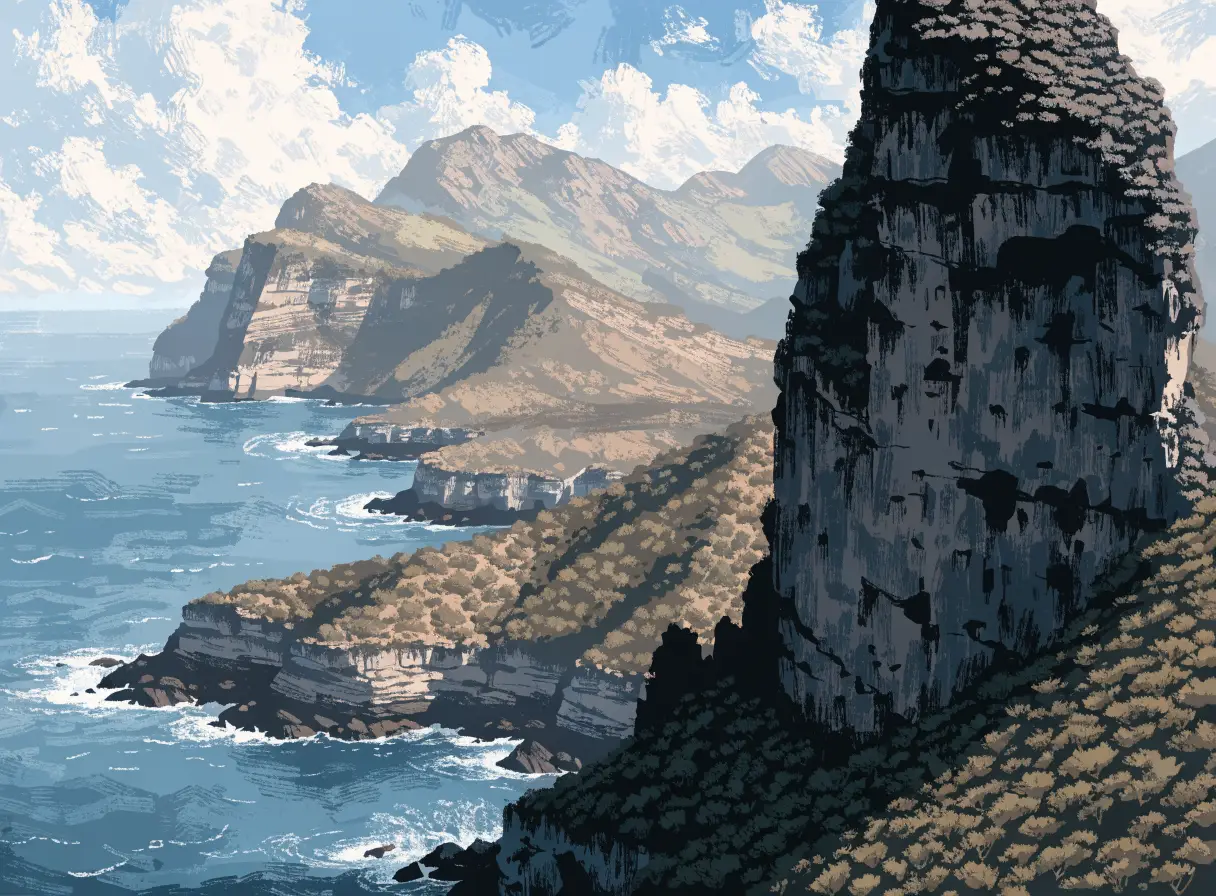
Chase the big cliffs
Choose the west side for dramatic landscape priorities, with rough roads and steep access kept in view.
Open the guide →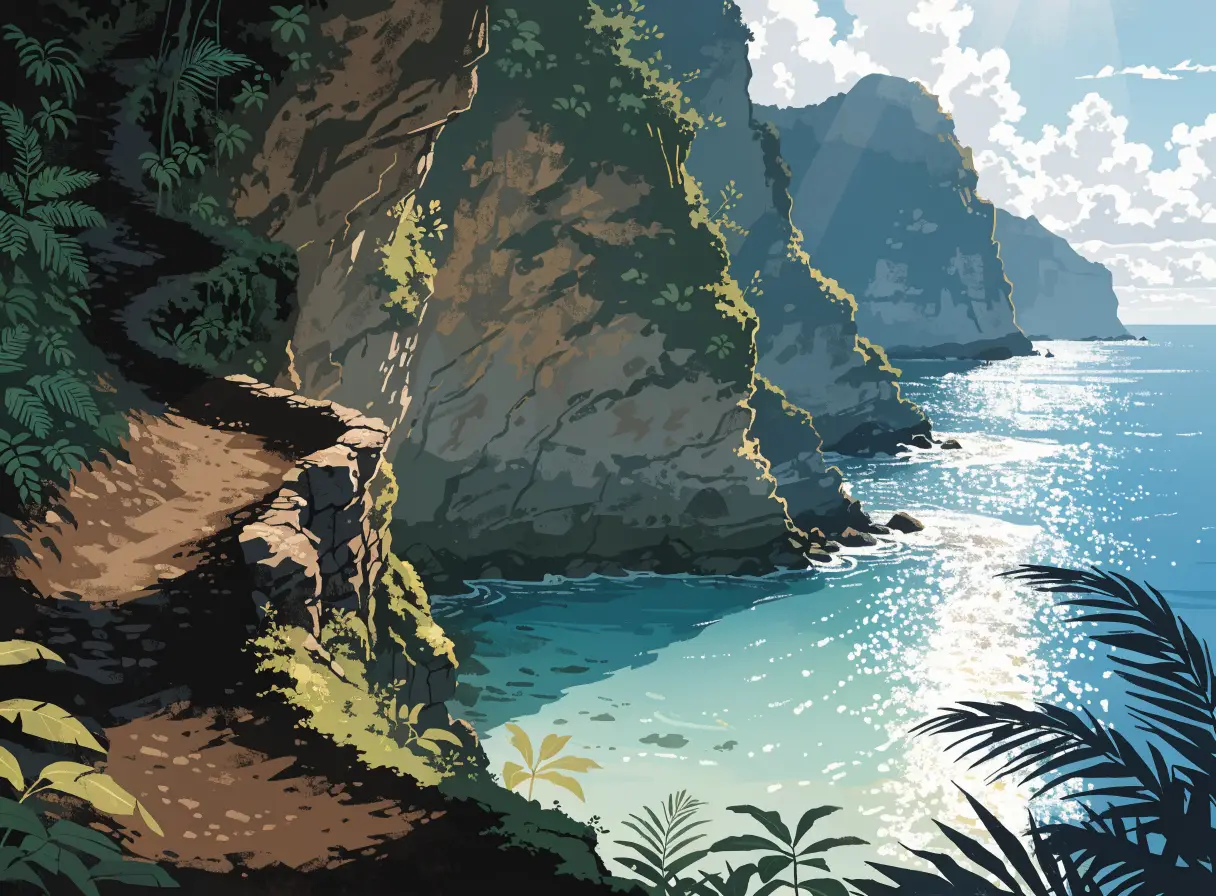
Go for coves and distance
Use the east side as a separate day decision; travel time and access matter more than map distance.
Open the guide →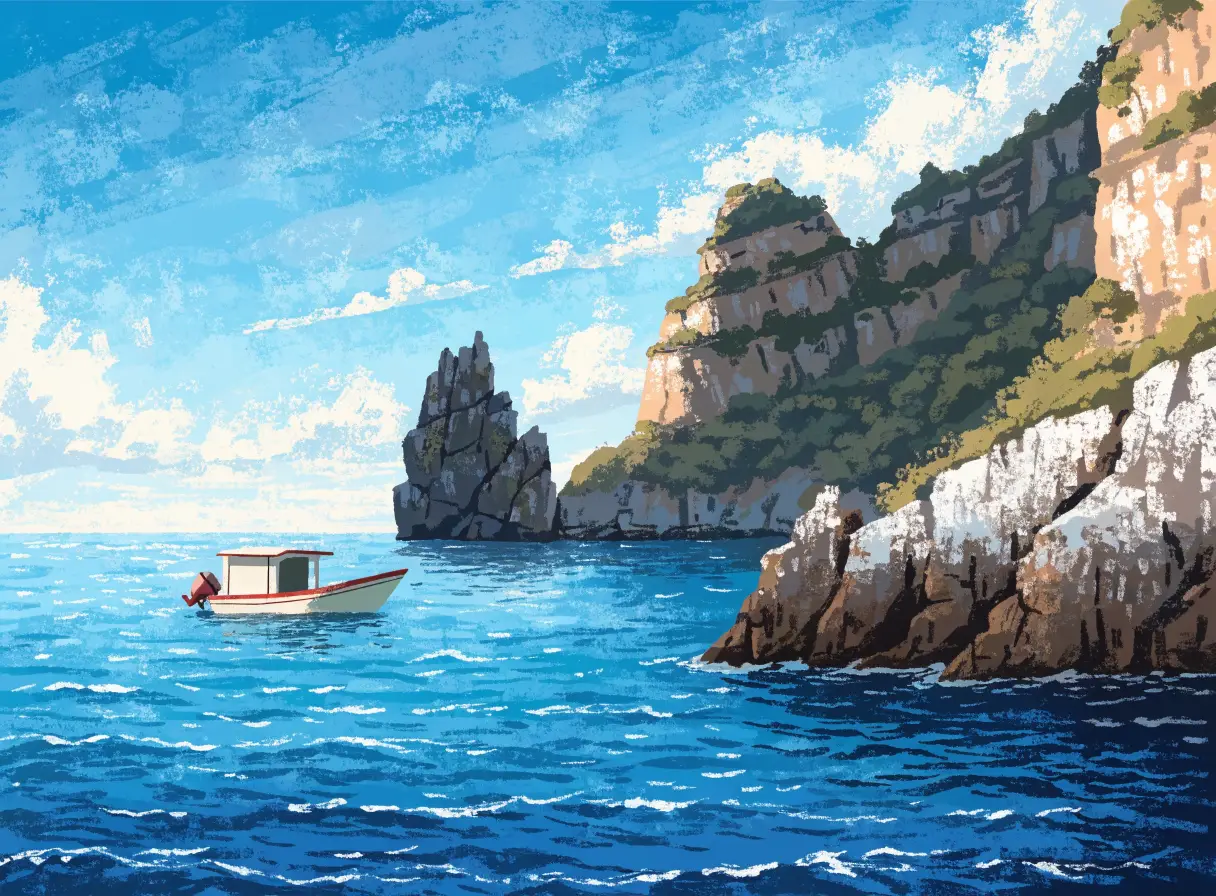
Add the sea carefully
Choose snorkelling or diving only after checking the operator, sea conditions and current safety guidance.
Open the guide →Decide with verified places
What fits right now in Nusa Penida?
Editorial fit, not a paid ranking. Map mode opens a named Google Maps search, not a guessed pin.
Who Nusa Penida suits — and who it frustrates
It suits travellers chasing big, dramatic scenery, keen snorkellers and divers who want mantas, and anyone happy to trade comfort for adventure and rough roads to reach near-empty viewpoints early or late in the day.
It frustratesanyone after a polished, low-effort beach holiday. There's little of mainland Bali's resort infrastructure, the roads are genuinely rough, the headline sights involve steep stairways, and several famous spots are for looking, not swimming. Come for the landscape, not the loungers.
The island splits in two (plus the water)
Nusa Penida is bigger and rougher than it looks on a map, so most visitors see one side per day. Pick your loop by what you're after — and read the day-trip guide for the fast-boat and driver logistics.
| Side | Character | Best for |
|---|---|---|
| West & south-west · the classic day | Closest to the harbour and home to the postcard sights: Kelingking's T-Rex cliff, Angel's Billabong, Broken Beach and Crystal Bay. It's the busiest side, with the longest photo queues at Kelingking around midday. | A first visit or a single day trip — the icons, done as one loop. |
| East · quieter and just as dramatic | At least as beautiful as the west and far less crowded: Diamond and Atuh beaches under east-facing cliffs, the Thousand Islands viewpoint and the rolling Teletubbies Hills. Usually a separate day because of the drive. | A second day, or anyone trading crowds for steep-stair effort. |
| The water · mantas & calm bays | Manta rays cruise the cleaning stations essentially year-round, and snorkel-boat trips stop at Manta Point or Manta Bay, Crystal Bay and Gamat Bay. Crystal Bay is also the calm, palm-lined west-side beach for a swim and the sunset. | Snorkelling with mantas and the island's only relaxed swim beaches. |
The headline sights
The icons the island is famous for — cliffs, coves and manta points. A few come with real water-danger, flagged below and in the safety notes.
- Kelingking Beach viewpoint. The image that put Nusa Penida on every feed: a green headland shaped like a dinosaur's back above a curl of white sand. The clifftop viewpoint is a short walk; the descent to the beach is steep, strenuous and optional, and swimming below is forbidden — the currents are deadly. Come early to beat the parking and photo queues.
- Angel's Billabong. A natural infinity tidal pool carved into the rock shelf, safe to enter only at low tide. Never get in on a rising or high tide — rogue waves have swept people out to sea here. Check the tide chart before you go; at the wrong tide it's a viewpoint, not a swim.
- Broken Beach (Pasih Uug). A photogenic circular cove ringed by cliffs, with a natural rock arch the sea flows through. It's a walk-the-rim viewpoint rather than a swim, and pairs naturally with Angel's Billabong right next door.
- Crystal Bay. The calm, palm-lined west-side beach — the island's easiest swim and snorkel, and its best sunset. Also a common stop on manta snorkelling trips. The one west-coast spot built for slowing down rather than climbing stairs.
- Diamond Beach. A dramatic white-sand cove under east-facing cliffs, reached by a steep carved stairway past rock pinnacles. One of the island's signature east-side sights; the climb back up is a real effort in the heat, so go earlier and carry water.
- Atuh Beach. Diamond's neighbour, a wide sweep of sand framed by offshore rock islets, with viewpoints along the clifftop above. The two are usually done together as the east-side beach stop.
- Thousand Islands viewpoint (Raja Lima). A clifftop lookout over a scatter of green islets in a blue sea, with the famous cliffside tree house nearby. One of the east's defining views and an easy add-on to a Diamond and Atuh day.
- Snorkelling with manta rays. A genuine headline: a half-day boat trip to the manta cleaning stations, usually stopping at three or four spots among Manta Point or Manta Bay, Crystal Bay and Gamat Bay. Mantas are present essentially year-round, so sightings are very likely — though never guaranteed. Manta Point water is often colder and choppier, so a rash guard and seasickness precautions help.
- Teletubbies Hills. Rolling green mounds named for their resemblance to the children's show — a quiet, uncrowded stop that shows a softer, greener side of an island best known for its cliffs. Greenest in and just after the wet season.
Water safety & practical notes (read before you go)
- Take the water seriously.Swimming is forbidden at Kelingking (deadly currents), and Angel's Billabong is safe to enter only at low tide — never on a rising tide, where people have been swept out. Check the tide and obey the signs.
- The stairways are a real climb. Diamond, Atuh and Kelingking all involve steep descents and hot climbs back up. Wear proper shoes, carry water, and go early before the heat and the crowds.
- No Grab, Gojek or taxis. Hire a car with a driver or take an organised tour rather than a self-drive scooter — the descents are steep enough to overwhelm scooter brakes. Arrange it before you arrive.
- Bring cash.ATMs are few, often don't take foreign cards and frequently run empty. Withdraw on mainland Bali before you cross.
- One side per day.Don't try to combine west and east in a single day — the drive eats it. If you can spare a night, staying over is the biggest upgrade there is.
Good to know
What is Nusa Penida best for?
Dramatic cliff-and-cove scenery and manta snorkelling. It's a rugged island off Bali's south-east coast, famous for the Kelingking 'T-Rex' cliff, Angel's Billabong, Broken Beach and Diamond Beach, plus year-round manta rays. It's about big landscapes and adventure over comfort — the roads are rough and it's short on the polished resorts of mainland Bali.
Should you visit the west or the east side?
The west (Kelingking, Angel's Billabong, Broken Beach, Crystal Bay) is closest to the harbour and holds the postcard icons — the natural choice for a single day. The east (Diamond, Atuh, Thousand Islands) is quieter and just as beautiful but a longer drive, so it's usually a second day. Trying to combine both in one day means spending most of it in the car.
Can you swim at Nusa Penida's beaches?
At some, not others. Swimming is forbidden at Kelingking (deadly currents), and Angel's Billabong is only safe to enter at low tide — never on a rising tide, where people have been swept out. Crystal Bay is the calm, swimmable west-side beach; Diamond and Atuh are cove beaches better for scenery than serious swimming.
Is one day enough for Nusa Penida?
For one side of the island, yes. A day trip from Sanur is what most people do and it comfortably covers the west or a manta snorkel plus a couple of sights — but it's a rushed day on rough roads. If you can spare a night, staying over lets you see both sides and reach the headline spots near-empty, before and after the day boats.
Can you see manta rays around Nusa Penida?
Yes — snorkelling with manta rays is one of the island's headline experiences, on a half-day boat trip to the cleaning stations around Manta Point or Manta Bay. Mantas are present essentially year-round, so sightings are very likely, though never guaranteed. The water there is often colder and choppier than the calm bays.
How do you get around Nusa Penida?
The roads are genuinely rough, and there's no Grab, Gojek or taxi network on the island. For most visitors a hired car with a driver or an organised tour is the safer, easier choice over a self-drive scooter — the descents to beaches like Kelingking are steep enough to overwhelm scooter brakes. Bring plenty of cash, since ATMs are few and often empty.
Keep planning
Do Nusa Penida without the rushed day
Pick one side, start on the first morning boat, and take the water safety seriously. If you can spare a night, you'll get the headline cliffs near-empty — the single biggest upgrade to the trip.
Read the day-trip guide →